Iraq
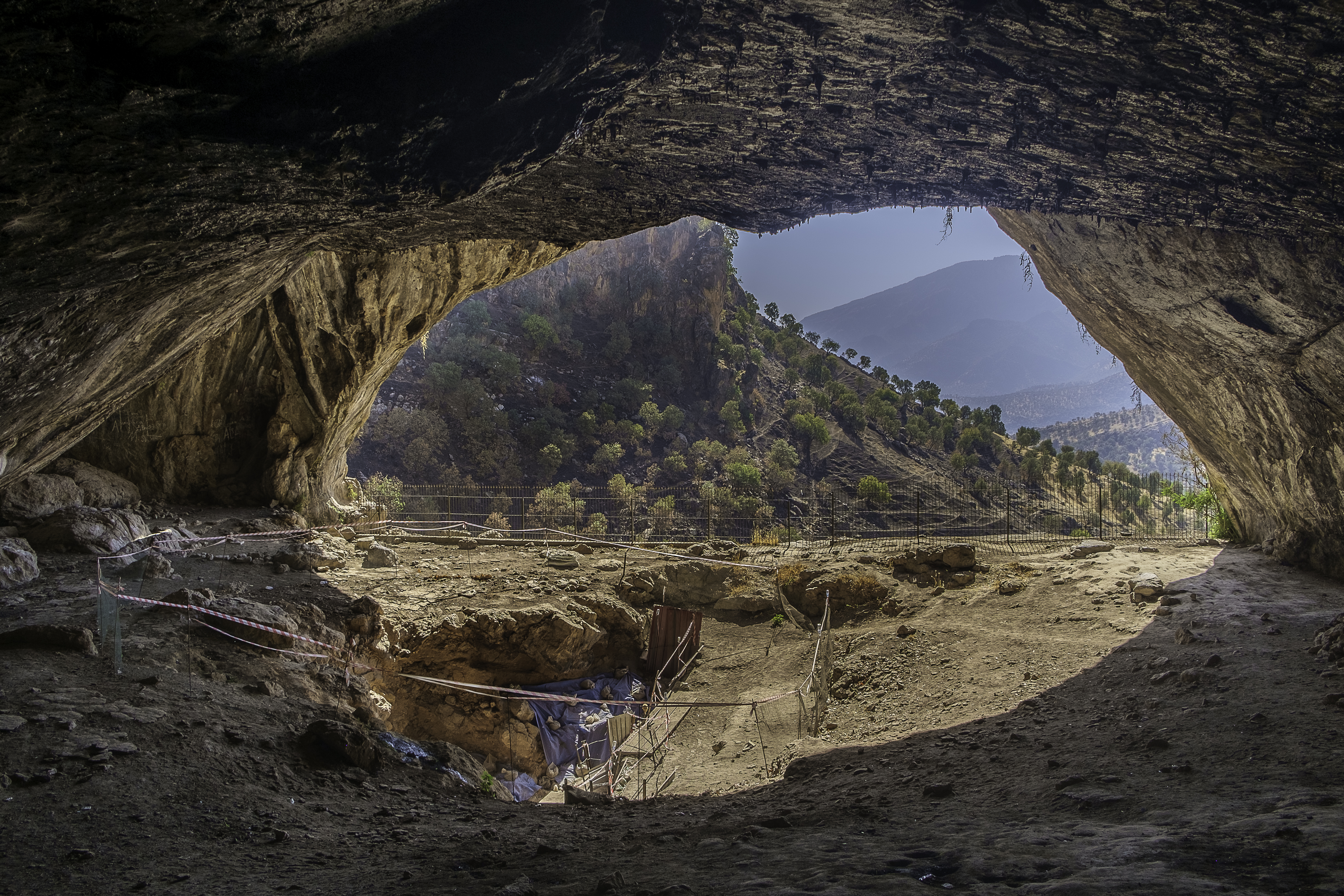 Iraq,; ; ; }} officially the Republic of Iraq, ''}}''; }} is a country in West Asia. Located within the geo-political region of the Middle East, it is bordered by Saudi Arabia to the south, Turkey to the north, Iran to the east, the Persian Gulf and Kuwait to the southeast, Jordan to the southwest, and Syria to the west. The country covers an area of and has a population of over 46 million, making it the 58th largest country by area and the 31st most populous in the world. Baghdad, home to over 8 million people, is the capital city and the largest in the country.
Starting in the 6th millennium BC, the fertile plains between Iraq's Tigris and Euphrates rivers, referred to as Mesopotamia, fostered the rise of early cities, civilisations, and empires including Sumer, Akkad, Babylonia, and Assyria. Known as the cradle of civilisation, Mesopotamia saw the invention of writing systems, mathematics, navigation, timekeeping, a calendar, astrology, the wheel, the sailboat, and a law code. After the Muslim conquest of Mesopotamia, Baghdad became the capital of the Abbasid Caliphate and a global cultural and intellectual hub during the Islamic Golden Age, home to institutions such as the House of Wisdom. Following Baghdad's destruction by the Mongols in 1258, Iraq came under successive empires and, from the 16th century until the 20th century, was governed within the Ottoman system as a defined region known administratively as ‘the Iraq Region’. Additionally, Iraq holds religious significance in Christianity, Judaism, Yazidism, and Mandaeism.
Since independence in 1932, Iraq has experienced spells of significant economic and military growth alongside periods of instability and conflict. It was part of the Ottoman Empire until the end of World War I. Mandatory Iraq was then established by the British in 1921. It transitioned into an independent kingdom in 1932. Following a coup in 1958, Iraq became a republic, first led by Abdul Karim Qasim, followed by Abdul Salam Arif and Abdul Rahman Arif. The Ba'ath Party took power in 1968, establishing a one-party state under Ahmed Hassan al-Bakr and later Saddam Hussein, who presided over war against Iran from 1980 to 1988 and then invaded Kuwait in 1990. In 2003, U.S.-led coalition forces invaded and occupied Iraq, overthrowing Saddam and triggering an insurgency and sectarian violence. The conflict, known as the Iraq War, ended in 2011. From 2013 to 2017, Iraq faced another war with the rise and defeat of the Islamic State. Today post-war conflict continues at a lower scale, hampering stability alongside the rising influence of Iran.
A federal parliamentary republic, Iraq is considered an emerging middle power. It is home to a diverse population, geography and wildlife. Most Iraqis are Muslim, while significant minorities include Christians, Mandaeans, Yazidis, Yarsanis, and Jews. Iraqis are ethnically diverse; mostly Arabs, as well as Kurds, Turkmen, Yazidis, Assyrians, Armenians, Domcs, and Shabakis. Arabic and Kurdish are the official languages of Iraq, while Suret, Turkish and Mandaic are spoken regionally. Iraq, home to one of the largest oil reserves in the world, has a significant oil and gas industry. It is also popular for its agriculture and tourism. At present, Iraq is rebuilding with foreign support. Provided by Wikipedia
-
1
-
2
-
3